The most popular manga continue to enthrall readers worldwide, transcending cultural barriers and redefining storytelling norms. These series, celebrated for their compelling narratives and stunning artwork, have become cultural phenomena, influencing fashion, entertainment, and even social trends. As manga evolves, certain titles seize the spotlight, inspiring millions and shaping perceptions of what makes a series truly iconic. In this comprehensive exploration, we will delve into the top manga series dominating today’s landscape, analyze the factors behind their success, and understand the cultural and technological forces propelling their popularity.
The Reigning Champions: Unveiling the Most Popular Manga Series of Today
Among the most recognized and beloved manga in recent years are series like One Piece, Attack on Titan, My Hero Academia, Demon Slayer, and Jujutsu Kaisen. These titles have set records in sales and fandom engagement, becoming household names even in communities where manga is a niche interest. What makes these series stand out? Their blend of captivating storytelling, vibrant artwork, and relatable characters forge powerful emotional bonds with readers worldwide.
What’s particularly fascinating is how these series have not only achieved commercial success but also sparked global conversations. For instance, Demon Slayer’s breathtaking animation and heartfelt narrative brought Japanese manga and anime to new international audiences, propelling its status from niche to mainstream. Meanwhile, One Piece's longevity demonstrates how sustained storytelling combined with consistent quality cements a title’s place as a cornerstone of manga culture. These reigning champions exemplify how the most popular manga set the trends, redefine industry standards, and inspire countless aspiring creators.
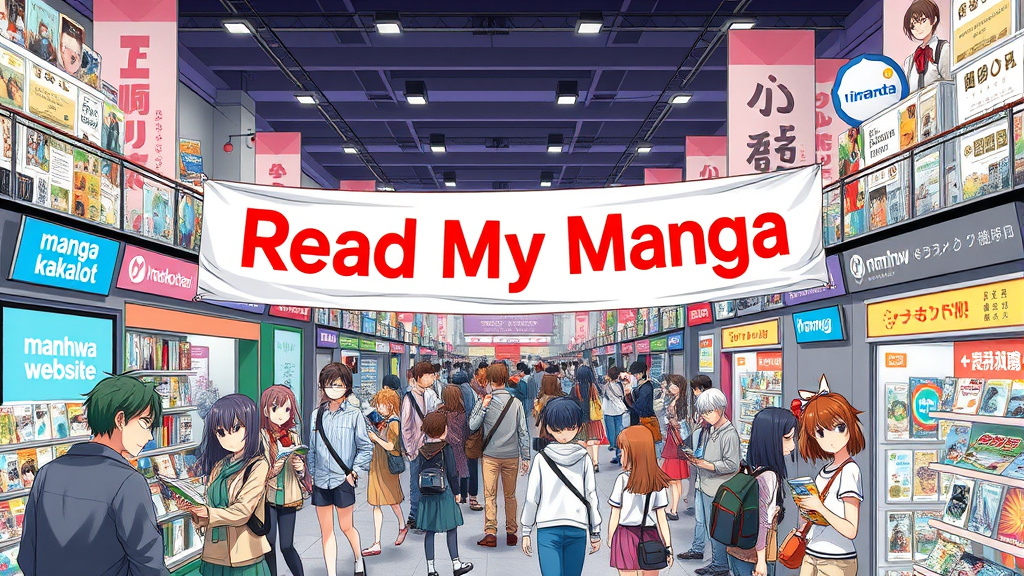 Hình minh họa: anime manga apk – most popular manga
Beyond the Hype: Analyzing the Factors Behind Manga's Global Popularity
The rise of the most popular manga isn't accidental; it’s driven by a confluence of factors rooted in storytelling, cultural resonance, and technological evolution. Exceptional storytelling that balances intense action, deep character development, and relatable themes is at the core of these series’ widespread appeal. Importantly, stories that explore universal themes such as friendship, perseverance, and justice tend to resonate across diverse audiences, fostering a sense of shared experience that transcends language and cultural barriers.
In addition, the manga industry has adeptly utilized digital platforms, social media, and international licensing to expand the reach of these stories. Manga publishers have responded to global demand with timely translations and accessibility, ensuring that fans worldwide can engage instantaneously. The most popular manga also thrive thanks to active fandom communities, cosplay, online discussions, and fan art, which enhance engagement and visibility. Ultimately, their success hinges on their ability to adapt and connect, blending timeless storytelling with modern distribution methods.

From Shonen to Shojo: A Genre Breakdown of Top-Rated Manga Titles
The landscape of the most popular manga is remarkably diverse, spanning genres that appeal to different demographics and tastes. Shonen manga like My Hero Academia, Jujutsu Kaisen, and One Piece dominate sales charts with their adrenaline-fueled action, themes of camaraderie, and youthful spirit. These titles often feature protagonists overcoming adversity, inspiring a sense of hope and resilience among readers.
On the other hand, shojo manga such as Boys Over Flowers, Kimi ni Todoke, and Fruits Basket appeal predominantly to young women, emphasizing romance, emotional growth, and interpersonal relationships. Meanwhile, seinen and josei titles like Vagabond and Nana explore more mature themes, complex characters, and darker narratives, attracting an older demographic. This genre diversity reflects the most popular manga’s ability to cater to varied preferences, ensuring there’s a series for every type of reader—an essential element of their widespread appeal.
The Power of Storytelling: Exploring the Narrative Strengths of Popular Manga
The core of any most popular manga lies in its storytelling. These series often feature intricately woven plots that skillfully balance pacing with moments of introspection, humor, and intense action. What sets the best manga apart is their ability to develop multi-dimensional characters whose motives and growth arcs resonate emotionally with audiences.
Furthermore, innovative storytelling techniques, such as unconventional narrative structures, flashbacks, or mystical allegories, elevate these series beyond simple entertainment. For example, Attack on Titan’s layered mystery and Jujutsu Kaisen’s dynamic fight scenes deftly combine to create immersive worlds. The narrative strength of these most popular manga not only hooks readers but invites them into complex universes where ideas about morality, sacrifice, and destiny are explored in depth, fostering ongoing engagement and discussion.
Artistic Evolution: Examining the Visual Styles of Top-Selling Manga Artists
Art is fundamental to manga’s appeal, and the visual styles of top manga artists play a crucial role in defining their series’ identity. Titles like Demon Slayer are celebrated for their stunning, almost cinematic artwork, which combines traditional brush techniques with digital enhancements to produce expressive character designs and breathtaking action sequences. This artistic evolution reflects the manga industry’s embrace of technological advancements while maintaining roots in classic manga styles.
Aside from technical skill, the uniqueness of an artist’s visual language can establish a series’ brand identity, making it instantly recognizable. For example, One Piece's whimsical character designs contrast with the darker, intricate art of Vagabond. These visual elements are not merely aesthetic choices but serve to deepen storytelling, convey mood, and evoke emotional responses. The most popular manga are often those where the synergy between art and story creates an immersive experience, elevating the series from simple comics to celebrated works of art.
Cultural Impact: How Popular Manga Influences Fashion, Music, and Beyond
The influence of the most popular manga extends far beyond pages and screens; it shapes fashion, music, and global pop culture. Iconic characters become fashion statements—cosplayers worldwide emulate their looks, and clothing brands incorporate manga-inspired designs into mainstream apparel. These trends demonstrate how manga’s visual aesthetic has become a universal language woven into everyday life.
Moreover, the themes and narratives explored in these series often inspire music, movies, and even social movements. For example, the popularity of Naruto and Attack on Titan has led to concerts, fashion lines, and collaborations with major brands. Manga’s impact on social issues, such as gender roles, conflict resolution, and mental health, promotes discussions that resonate beyond entertainment. The most popular manga thus contribute significantly to shaping modern cultural identity, inspiring creativity and dialogue in multifaceted ways.
Digital Dominance: The Role of Online Platforms in Manga's Widespread Appeal
The rise of online platforms like Manga Plus, Crunchyroll Manga, and Webtoon has revolutionized how fans access and engage with manga. These digital avenues have made it possible for the most popular manga to reach a global audience instantly, removing geographical barriers and democratizing access to content. As a result, fans can read the latest chapters and explore a vast catalog of series from anywhere, at any time.
The ease of sharing and discussing manga online fuels fan communities, creating viral moments that elevate series even further in popularity. Social media platforms and forums enable fans to dissect plot twists, share fan art, and speculate about future developments, fostering a participatory culture. The most popular manga owe much of their success to this digital ecosystem—which amplifies visibility, encourages interaction, and sustains their relevance in a fast-paced entertainment landscape.
Fan Favorites: Highlighting the Most Beloved Characters in Top Manga Series
Characters drive the emotional core of the most popular manga, and some have become cultural icons in their own right. Figures like Monkey D. Luffy, Eren Yeager, and Todoroki Shoto represent qualities admired across cultures—courage, resilience, and integrity. These characters’ journeys often mirror universal struggles, making them relatable and inspiring fans worldwide.
Fan-favorite characters also spark cosplay, fan art, and personality-based discussions that keep series alive long after their initial release. Their development arcs often define series’ tone and message, and their popularity helps build enduring fandoms. As a result, beloved characters are more than just parts of a series—they become symbols of hope, rebellion, or love, further cementing the most popular manga into cultural history.
The Next Generation: Identifying Emerging Manga Titles Poised for Popularity
While established series dominate today’s rankings, a new wave of manga is emerging with the potential to become the next most popular manga. Titles like Chainsaw Man, Heavenly Delusion, and My Broken Mariko are gaining traction for their innovative storytelling and artistic styles. These works often challenge traditional genre boundaries, offering fresh perspectives that appeal to younger audiences eager for originality.
Emerging manga creators are leveraging digital platforms, international collaborations, and global fandoms to propel their series forward. These titles often debut with a dedicated niche that quickly expands through word-of-mouth, social media hype, and anime adaptations. The future of manga lies in cultivating new talent and stories that resonate with evolving tastes, promising an exciting landscape for readers seeking the most popular manga of tomorrow.
Staying Power: Why Some Manga Remain Popular for Decades
Certain manga series demonstrate a remarkable staying power, retaining relevance and popularity long after their initial publication. Factors contributing to this longevity include timeless themes, characters with universal appeal, and the ability to evolve with fans’ changing tastes. One Piece, for instance, has maintained its popularity for over two decades because of its adventurous spirit and complex world-building.
Additionally, strategic licensing, international translations, and persistent fan engagement keep these series alive across generations. Manga that addresses pivotal societal themes or features groundbreaking art styles tend to become cultural landmarks, inspiring adaptations and merchandise for decades. The most popular manga that sustain their relevance exemplify how a compelling combination of storytelling, art, and cultural resonance can solidify a series’ legacy for decades and beyond.
## Conclusion
In conclusion, the most popular manga of today reflect a dynamic interplay of storytelling mastery, captivating art, cultural relevance, and technological innovation that continues to redefine global entertainment. These series stand out not only for their commercial success but also for their ability to inspire, influence, and evolve within diverse communities worldwide. From timeless classics to emerging hits, the landscape of manga remains vibrant and ever-changing—highlighting its importance as a powerful cultural force that bridges generations and nationalities. As new stories and creators emerge, the future of manga promises to be just as compelling, ensuring that the most popular manga remain a cornerstone of pop culture for years to come.