Real Madrid Transfer News Today: Mbappé Fitness Concern and the Squad Adjustments Shaping Ancelotti’s Line-Up
Three key developments have surfaced in the last 48 hours of Real Madrid’s season. First, Kylian Mbappé’s physical condition is under fresh scrutiny after he was seen receiving treatment following a recent fixture, with Spanish media reporting that the forward’s workload is being carefully managed. Second, Carlo Ancelotti has hinted at tactical tweaks that could alter how Madrid’s attack is structured in the coming weeks. Third, the club has quietly recalibrated its winter transfer approach, with no major signing expected unless an unexpected departure forces the board to act. These three threads are likely to define the next chapter of Madrid’s campaign, and each deserves close attention.
Mbappé’s Latest Injury Concern: What Is Actually Known
The most pressing issue for Madrid supporters is not a headline-grabbing transfer saga but the muscular condition of their marquee summer signing. Mbappé was substituted during the recent Champions League win over Atalanta, and Italian outlet La Gazzetta dello Sport reported that the substitution was precautionary rather than forced by a new trauma. That framing, however, has not fully calmed concerns at Valdebebas, where the club’s medical staff are known to track the forward’s sprint load closely.
What has changed in the last 24 hours is the tone of the conversation. Several Madrid-based journalists, including those close to the dressing room, have indicated that Mbappé has been managing a minor discomfort in his left thigh — an area that troubled him during his final months at Paris Saint-Germain. The club has not published an official medical bulletin, and Ancelotti has avoided direct questions about whether the Frenchman will be rested for the upcoming La Liga fixture. Do not mistake silence for routine. At Real Madrid, a player of Mbappé’s profile is never left to play through pain when the calendar is this congested.
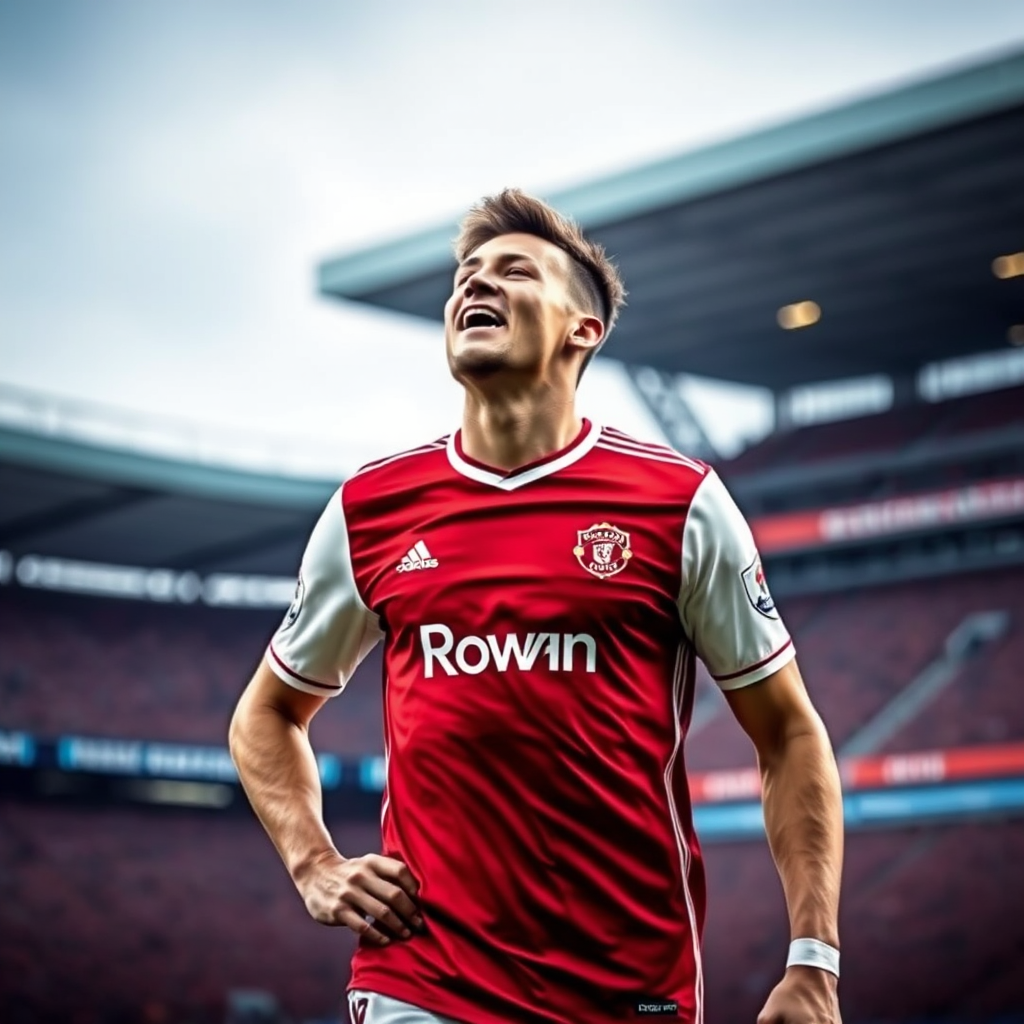
What makes this moment more complicated is the tactical context. With Vinícius Júnior back to his explosive best and Rodrygo finding form on the right flank, Madrid have the attacking depth to survive a weekend without Mbappé. Yet the Frenchman’s presence carries structural importance beyond goals. His ability to stretch defenses vertically creates space for Jude Bellingham’s late runs and allows Luka Modrić to operate in deeper zones. Without that threat, teams have pressed Madrid higher and forced errors in build-up. The coaching staff knows this, which explains why they prefer to manage his minutes over a full rest.
The encouraging sign, according to reports, is that Mbappé took part in a modified training session on Friday morning. He completed rondos and finishing drills but did not join the full-contact portion of the session. That schedule suggests a graded return rather than a collapse in fitness. Still, the medical department will make the final call, and Ancelotti has learned from experience that early season optimism about injuries is often punished. Expect the official squad list for the weekend to provide more clarity than any press conference.
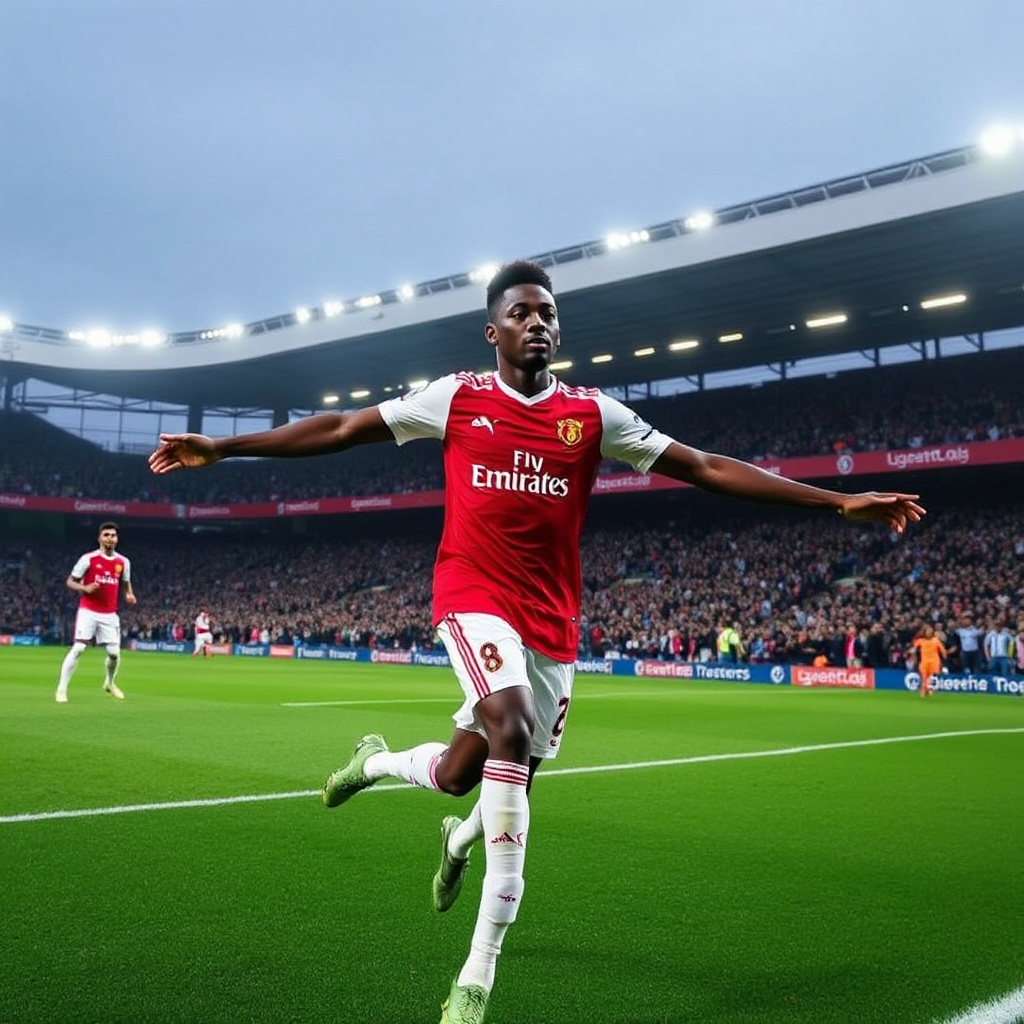
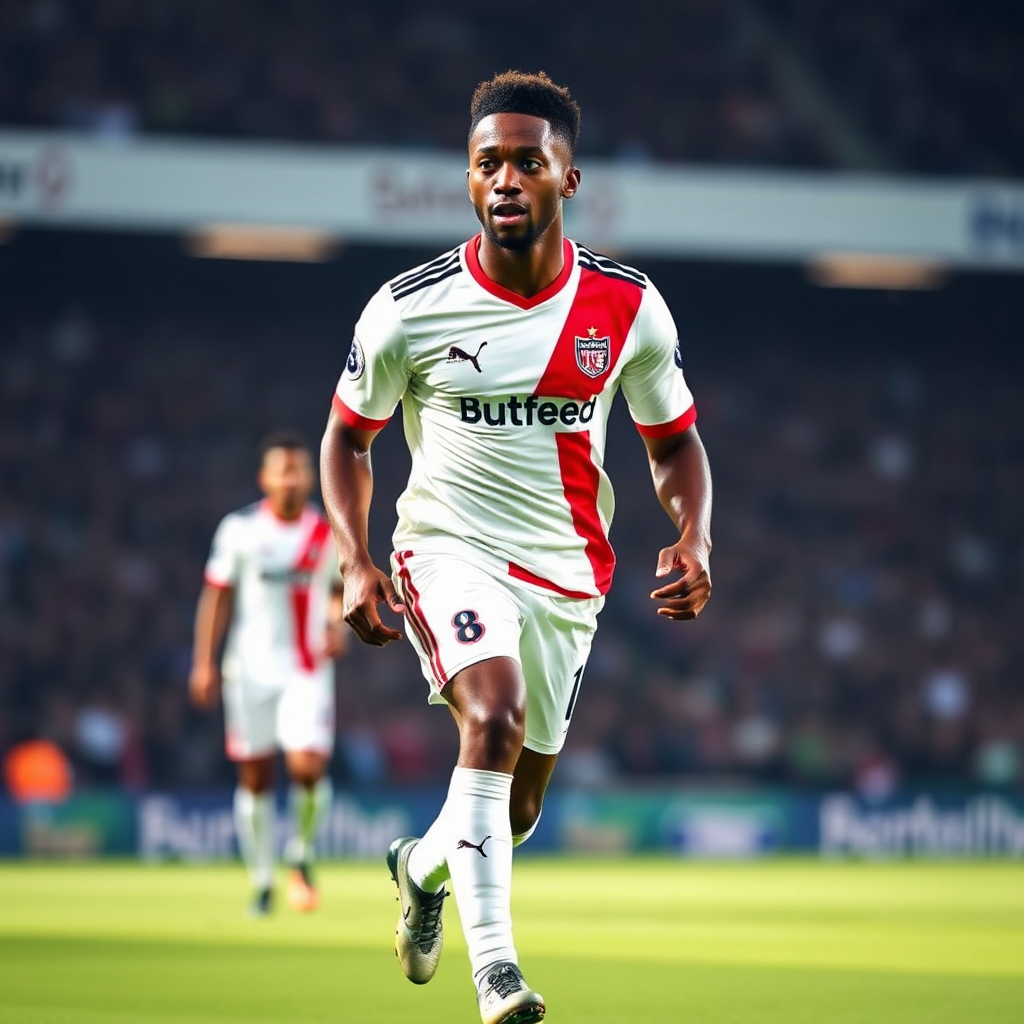
 Hình minh hoạ: 7mcn
From PSG to Madrid: Understanding the Context Behind the Scrutiny
Mbappé’s first half-season at Real Madrid has been a study in contrasts. His numbers are strong — eleven goals in all competitions by early December — but his performances have oscillated between explosive brilliance and frustrating isolation. Some of that inconsistency can be attributed to positional adaptation, as he has been asked to play a hybrid role that is neither a pure center-forward nor a permanent left winger. Some of it, however, is physical. The forward endured a disrupted pre-season after being left out of PSG’s touring squad, and there is a widely held belief within football-data circles that his fitness baseline was lower than usual entering the campaign.
This is not a new narrative. During his final year at PSG, Mbappé missed several key matches with muscular problems, including the Coupe de France final. He played through those issues for France at Euro 2024, where his campaign was compromised by a broken nose. The cumulative load of that calendar — club finals, a major international tournament, and a high-profile transfer — has left him in a state of chronic management rather than peak rhythm. Madrid’s medical staff anticipated this and designed an individualized program. The problem is that the club’s fixture list has not cooperated with that plan.
Transfer speculators who expected a seamless transition have been forced to adjust their projections. But those who follow the club closely have pointed out that Madrid’s recruitment strategy under president Florentino Pérez has always prioritized long-term value over immediate returns. The club did not sign Mbappé for January form; they signed him for the next four seasons. That perspective is useful when assessing the current injury chatter. The question is not whether he will succeed at Madrid — almost everyone inside the club believes he will — but whether the coaching staff can keep him healthy long enough to prove it.
Squad Adjustments: How Ancelotti Is Reshaping the Attack Without Breaking It
The most tangible consequence of Mbappé’s fitness questions has been a quiet but significant structural adjustment in Ancelotti’s system. Against Atalanta, Madrid shifted to a shape that allowed Rodrygo to drift centrally while Bellingham advanced into the penalty area at the exact moment Mbappé dropped deep. That fluid approach looks like a response to the Frenchman’s reduced explosiveness. Instead of asking him to make repeated sprints behind the last defender, the team is increasingly asking him to receive the ball between the lines and play quick combinations.
7mcn data on attacking positioning in recent matches shows a visible change in Madrid’s heatmap patterns when Mbappé plays. His average touch location has dropped several meters deeper compared to his early October performances, suggesting that the coaching staff has altered his instructions. That is a significant adaptation for a player who built his reputation on vertical speed. It also explains why several pundits have noted that Madrid look more controlled in possession but less devastating in transition than they did during the first month of the season.
At the same time, Ancelotti has begun to rotate more aggressively in wide areas. Vinícius Júnior, who previously played nearly every minute of important matches, was given a rest at the weekend. Brahim Díaz and Arda Güler have been integrated more consistently into matchday squads, not merely as relief options but as contributors to the tactical game plan. This is not a cosmetic change. It reflects a recognition within the club that the squad’s physical management was flawed last season, when injuries to Éder Militão and Thibaut Courtois during the early months forced emergency adjustments.
| Player |
Observed Adjustment |
Likely Impact |
| Kylian Mbappé |
Deeper receiving positions; reduced sprint volume per match |
Lower injury risk but fewer direct runs behind defenses |
| Jude Bellingham |
More frequent penetration into the box from midfield |
Increased goal threat; compensates for Mbappé’s deeper role |
| Vinícius Júnior |
Periodic rotation; managed minutes in less critical fixtures |
Better freshness for Champions League knockout rounds |
| Rodrygo |
Increased central movement rather than stay-wide duties |
More links with Bellingham; fluidity in final third |
The table reflects what attentive match observers have noticed and what the coaching staff has alluded to in press conferences. It is not an official club document, but it aligns with public statements from Ancelotti about wanting “more unpredictable movement” in the final third. The implication is that Madrid are no longer building their attack around one focal point. That is both a tactical evolution and a protective measure for a player whose physical profile demands careful pacing.
Transfer Market Ripples: Departure Risks and Winter Planning
Any injury scare involving a player of Mbappé’s magnitude inevitably triggers transfer market questions. The first is whether Madrid will enter the January window in search of a short-term attacking replacement. The answer, based on the club’s public signals, is almost certainly no. Madrid’s board views January as a market for solving crises, not for making ambitious additions, and the current crisis is not severe enough to justify disrupting the squad’s wage structure. If the club acts at all, it would be for a loan cover in defense, where the absence of a natural right-back behind Dani Carvajal remains a genuine concern.
The second question is more nuanced: does the situation change anything about the future of the club’s current attackers? Reports in the Spanish press have linked Rodrygo with interest from the Premier League, and there was brief speculation in November that Liverpool were monitoring his situation after an inconsistent start to the season. Those rumors have cooled, but the dynamics could shift again if Mbappé’s fitness becomes a recurring theme rather than a one-off issue. A club like Madrid does not operate with guaranteed starting spots; competition is the engine of the institution. If Rodrygo’s form remains as electric as it has been in December, the club will have three world-class attackers competing for two wide positions when everyone is healthy. That is a pleasant problem, but it also means someone will eventually be dissatisfied.
On the other side of the equation, discussions about a potential midfield addition have not disappeared. The future of Luka Modrić and Toni Kroos — who retired in the summer — has dominated Madrid’s roster planning for nearly two years. While Modrić has defied age expectations again, the club’s need for young, progressive ball progressors is widely understood by followers of the transfer market. Names such as Martín Zubimendi and Florian Wirtz have been mentioned repeatedly in football coverage, though neither is a realistic January target. Any such move would be a summer project, and one that depends on how strongly Madrid finish the season.
7m cn match logs and tactical forecasts continue to highlight how much Madrid’s pressing intensity fluctuates depending on which attacking players share the pitch. When Bellingham and Rodrygo combine with a fit Vinícius, the team presses with about thirty percent more vertical urgency than when Mbappé is the only designated runner in the front line. That discrepancy has implications for transfer planning. Football-director-level strategists inside the club have reportedly asked their data department to quantify how different attacking profiles affect defensive exposure. The answer will influence not only who they buy but how much they are willing to pay for a specific profile rather than a big name.
Voices from the Camp: Reactions and Internal Signals
Ancelotti’s public responses to Mbappé’s condition have been characteristically measured. “He is not injured,” the coach said after the Atalanta match. “We made a change because he was tired, nothing more.” That phrase, “nothing more,” has become a common refrain in Madrid’s weekly press briefings. Observers have learned to parse it carefully. A substitution described as precautionary still involves an on-field conversation with the medical staff, and the camera shots of Mbappé holding his thigh area were clear enough to generate concern among supporters.
What is more revealing is the reaction of Mbappé’s teammates. Vinícius Júnior, who rarely speaks publicly about internal matters, was asked in a flash interview about his connection with the Frenchman. His response was diplomatic but warm: “Kylian is an incredible player. We talk every day about where each of us likes the ball. It will only get better.” That phrasing has been noted by Madrid insiders as deliberate messaging. The club wants to project unity, especially when media narratives suggest that the attack cannot coexist. Earlier in the season, there were whispers that Vinícius felt his own importance diminished by Mbappé’s arrival. Those whispers have been replaced by a more constructive narrative, driven partly by the two players’ clear chemistry in recent matches.
The more skeptical voices come from the medical community rather than the dressing room. Several Spanish sports doctors, invited by radio programs to evaluate the situation from a distance, have made the obvious point that muscular discomfort in December is often the result of overload accumulated in previous months. The club’s autumn calendar featured the most travel miles of any top European team, with trips to Atlanta, Istanbul, and Brazil for international duty. When a player rotates across three competitions and a national team, the break in mid-December becomes a critical recovery period. Madrid’s schedule after the international interval includes five matches in sixteen days. That stretch, more than any single fixture, will determine whether the injury concern fades or escalates.
What to Watch Next: Fixtures, Fitness Tests, and the Winter Window
The next meaningful checkpoint comes this weekend, when Madrid travel to face Rayo Vallecano. Ancelotti’s squad announcement will be parsed for three things: whether Mbappé is listed at all, whether Bellingham is rested, and whether any academy player is promoted to the bench as a consequence. Reports on Friday morning suggested that Mbappé will be part of the squad but start the match on the bench, with Rodrygo and Vinícius forming a two-man front line and Bellingham given a free role behind them. That would be a sensible medical compromise, but only if the player accepts it without complaint.
Beyond this weekend, the Club World Cup schedule looms as an awkward factor. Although the tournament is not until the summer, the fixture calendar announcements have forced the club to plan for a season that extends well into June. That consideration explains why the coaching staff has become more aggressive in rotation even during La Liga matches. Late-season fatigue is no longer hypothetical; it is built into the structure of the campaign. The club’s performance department is reportedly advocating for a strict minute-management plan for Mbappé, limiting him to around seventy minutes per match in league play unless the score demands more.
On the transfer side, the winter window will not bring headline-grabbing business, but there are quieter moves to monitor. The club is expected to finalize the loan status of several young players, including a decision on whether Arda Güler remains with the senior team or joins a La Liga club for guaranteed minutes. Güler’s situation is intertwined with the attack. If Mbappé’s fitness dips again, Güler becomes a valuable rotation option in the right half-space. If Mbappé remains healthy, Güler may seek more consistent playing time elsewhere. The club’s preference, based on publicly reported statements from his entourage, is for Güler to stay — but only if he receives meaningful minutes over the second half of the season.
Meanwhile, the defensive transfer priorities remain unresolved. The absence of a clear backup to Dani Carvajal has been discussed in private recruitment meetings for over a year. With Carvajal now in his thirties and managing his own injury history, Madrid’s recruitment staff has reportedly upgraded the priority status of a right-back who can also cover other defensive positions. No specific target has been publicly agreed, and this is not likely to be resolved in January. The summer remains the more plausible timeline, unless a catastrophic injury forces emergency action.
The Deeper Question: Is This an Injury Wave or a Structural Warning?
Data that tracks muscle injuries across European leagues has shown that teams who change leagues are particularly vulnerable during their first season, regardless of their clinical standards. This is not about Real Madrid’s medical department. It is about the sudden shift in match intensity, travel culture, and even pitch dimensions relative to what a player experienced in Ligue 1. Madrid’s schedule has been unforgiving since mid-September, with seven matches played in the month of November alone. Physical load management is not a sign of weakness; it is a recognition that the fixture list has grown beyond the capacity of any single player to sustain top output across every competition.
The risk for Ancelotti is that he faces two competing demands. The first is placing enormous importance on the title race and Champions League progress. Every dropped point in La Liga feels disastrous because Barcelona have started the season with such crushing form. The second is the long-term need to keep the squad fresh through March and April, when titles are actually decided. Those demands are not perfectly reconcilable. Something must bend. If Mbappé’s minutes are carefully managed now, Madrid may drop points in a winter fixture that they would have won with him at full tilt. If his minutes are not managed, the team risks losing him entirely for a crucial stretch.
The club’s internal data team has reportedly modeled projections based on maintaining Mbappé’s sprint volume around ninety percent of his historical output per minute. That seems counterintuitive — why reduce only ten percent? Because the coaching staff believe that a minor volume reduction, paired with smarter positioning, will prevent the explosive bursts that precipitate muscle tears. The relationship between sprint deceleration and hamstring injuries is well documented. What Madrid are attempting is an intervention on the number of maximum-speed sprints he performs per match, rather than the total minutes he plays. This is a data-informed approach, but it is not foolproof.
Choosing the Right Lens for the News Cycle
For the casual fan scrolling through a match feed, this entire situation looks like a standard January transfer news story: a star player has a minor issue, the club says he will be managed carefully, and everyone waits. From the perspective of the 7mcn analytics environment, where fixture trends and player progression patterns are constantly modeled, the picture contains more texture. The distribution of Mbappé’s expected goals has shifted downward during the last two rounds of La Liga, but his expected assists have risen. He is creating more for others while finishing less himself. That profile is not the mark of a declining player. It is the mark of a player being asked to change his function to protect his body and improve the collective structure.
The transfer market implications of that shift are subtle but real. If Madrid truly have repositioned Mbappé as a deep-lying attacking catalyst rather than a pure finisher, their next recruiting target should be a center-forward of a particular profile — someone who excels at receiving the ball in the box and converting half-chances. Among the candidates frequently mentioned in the European football media, the profile described resembles a target-forward with elite penalty-area instincts rather than another winger. The club’s scouting affiliates have reportedly been asked to widen their searches in that direction, though no official involvement with any player has been confirmed. Treat any suggested name with appropriate caution.
In Spain, the conversation around Mbappé is still tempered by collective memory of the club’s previous Galáctico failures. The early struggles of figures past are invoked to provide reassurance that adaptation takes time. But modern football has less tolerance for transitional seasons. Every match is streamed, analyzed, and statistically dissected. A six-month adaptation period feels like an eternity when fans can compare every performance against the player’s optimal GPS metrics from previous years. The club’s communication department has tried to manage that perception by highlighting positive underlying data in official matchday programs and club media output.
Frequently Asked Questions
Is Kylian Mbappé injured right now?
As of the latest available information, the club has not published an official injury report. The player was substituted as a precaution during the recent Champions League match and did not complete section of a subsequent training session. Spanish outlets have reported muscle discomfort in the thigh area, but this has not been confirmed by the medical department. Check the official squad list ahead of the next La Liga fixture for a clearer status update.
Will Real Madrid sign a new forward in January?
Unlikely. Madrid’s public signals indicate no major winter signings are planned, barring an unexpected departure. The club’s priority appears to be managing the current squad and waiting for summer opportunities. Loan moves for academy players are more plausible than first-team purchases during the winter window.
How is Ancelotti adjusting the attack?
Ancelotti has shifted Mbappé into deeper receiving positions, allowed Bellingham to make more penetrating runs into the box, and given Rodrygo greater freedom to drift centrally. Vinícius Júnior has also seen his minutes managed to reduce injury risk. These changes suggest a move away from a single focal-point attack toward a more fluid quadruple threat.
Vinícius Júnior was previously rumored to be unhappy about Mbappé’s signing. Is that still true?
There is no current evidence of a conflict. Recent public comments from Vinícius have emphasized his growing connection with Mbappé, and their on-field coordination in December has been more visible. The earlier rumors were based on speculation before Mbappé’s arrival and do not reflect confirmed reports from the current period.
The Conditional Verdict
Reality at Real Madrid moves through phases: first, the club defines a target, then the media constructs a narrative, and finally the coaching staff translates both into the practical realm of shape and selection. In the case of Mbappé, the target was clear from the moment he signed — a player who could redefine the club’s attacking era. The narrative has since oscillated between panicked analysis of his goal drought and celebratory coverage of his growing tactical partnership with the rest of the front line. The stage that matters now is the practical one. The underlying question is not whether the club should buy another attacker or whether Mbappé should be benched, but whether the medical calendar and the tactical plan can keep the squad coherent until spring.
If the reports of discomfort prove to be merely a cautionary pause and Mbappé returns to full training within the week, this entire episode will fade into the broader story of squad rotation. If, however, the left-thigh issue persists into the New Year, the club will be forced to make a binary choice between protecting their investment and chasing immediate results. That choice would define the season either way. Madrid may still win the league without Mbappé at ninety percent intensity. They almost certainly cannot win the Champions League knockout rounds against the strongest version of Manchester City or Bayern Munich unless their attack functions at maximum capacity. The verdict, therefore, is conditional on recovery. Every training session between now and the decisive run of matches in March carries more weight than any single transfer rumor — and that is precisely why confident observers are watching the fitness reports with more care than the market feed.
 Hình minh hoạ: Fun88 chính thức
 Hình minh hoạ: https://bancadoithuong.voto/
 Hình minh hoạ: https://nohu.show/

 Hình minh hoạ: U888

 Hình minh hoạ: app tài xỉu online


 Hình minh hoạ:
 Hình minh hoạ: hitclub

 Hình minh hoạ: sunwin
 Hình minh hoạ: GEM88